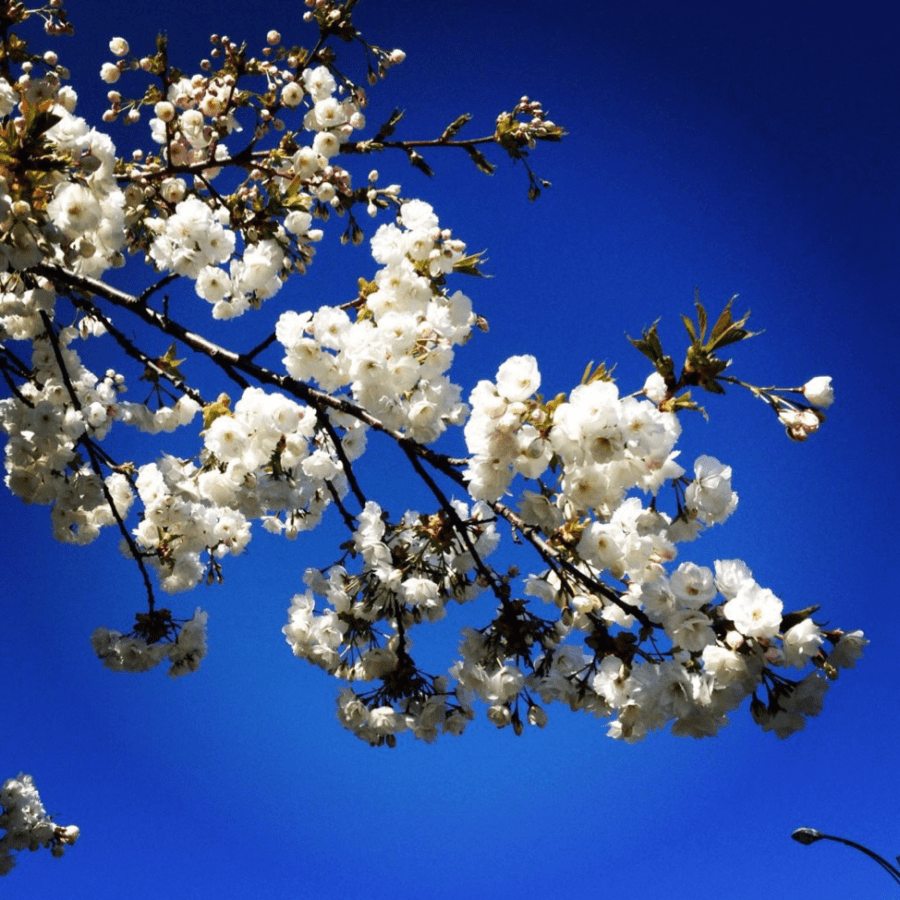
Oh how I love spring and I love living in Victoria BC, where we often see the first signs of spring while the rest of the country is still blanketed in white. If you have a garden, spring can bring early cold weather bounty like kale and spinach but you don’t have to be a gardener to enjoy the healthful benefits of some very common early spring plants. In gardener’s language, these are more commonly referred to as weeds but if you get to know them better, you may want to keep a few around for their beneficial qualities.
CHICKWEED – A highly prolific weed and my favourite garden snack, this nutritious plant can be added to salads or used much the same way as you would use spinach. Rich in minerals, vitamins and chlorophyll, chickweed tastes slightly grassy with a hint of cornsilk. With cleansing and anti-inflammatory properties, you can eat this plant to support healthy digestion, joints and skin. Chickweed can also be used topically as a poultice or made into a salve as a remedy for skin inflammations and minor wounds.
DANDELION – While some homeowners see the bright yellow heads of the dandelion as a scourge upon their well tended lawns, this plant is so much more than a vehicle for blowing wishes into the air. I consider dandelion to be one of Spring’s superfoods; you can eat the flowers, leaves and roots to support cleansing and healthy digestion. Make the flowers into a tea or syrup, build a salad with the fibre rich leaves or harvest the root and steam like you would a carrot. Roasted dandelion root also makes a fairly decent coffee substitute. Topically, herbalists make a salve from this plant and find it effective for a variety of skin conditions and muscle aches and pains.
NETTLE – My other favourite Spring superfood is the stinging nettle. You want to take caution when interacting with this plant but the rewards are worth the effort. This plant is best harvested in the early spring when the leaves are young and tender. They are a highly nutritious food and can be used in soups and as a green vegetable; you have not lived until you have enjoyed nettle spanakopita! Rich in iron and vitamin C, nettle is a good food when anemia is a concern. Take nettle to stimulate circulation and cleanse the system of toxins. Externally, soak a pad in nettle tincture and apply to painful joints, tendinitis and sprains or use as a wash for burns, insect bites and wounds.

There are a few cautions to note before you rush out and forage. Do not forage in areas too close to car exhaust, frequented by dog walkers or may have been sprayed by pesticides. Be mindful when wildcrafting, that you take only what you need. Try to harvest just a few leaves from each plant so that the plant can continue to mature and propagate.
Do not trespass on private land or harvest in parklands that are protected and do not pick a plant unless you are absolutely sure you have identified it correctly. Foraging also comes with the added perks of contributing to activity levels while supplementing the diet without spending money at the grocery store. An all round win!


 anewthreshold.org